Yaowarat Chinatown Heritage Museum
Yaowarat Chinatown Heritage Museum
PGR5+4XP, Yaowarat Rd, Khwaeng Samphanthawong, Khet Samphanthawong, Krung Thep Maha Nakhon 10100, Thaïlande
Im ersten Stock des Wat Traimit in Bangkok dokumentiert das Yaowarat Chinatown Heritage Museum drei Jahrhunderte chinesischer Einwanderung in das Königreich Siam.
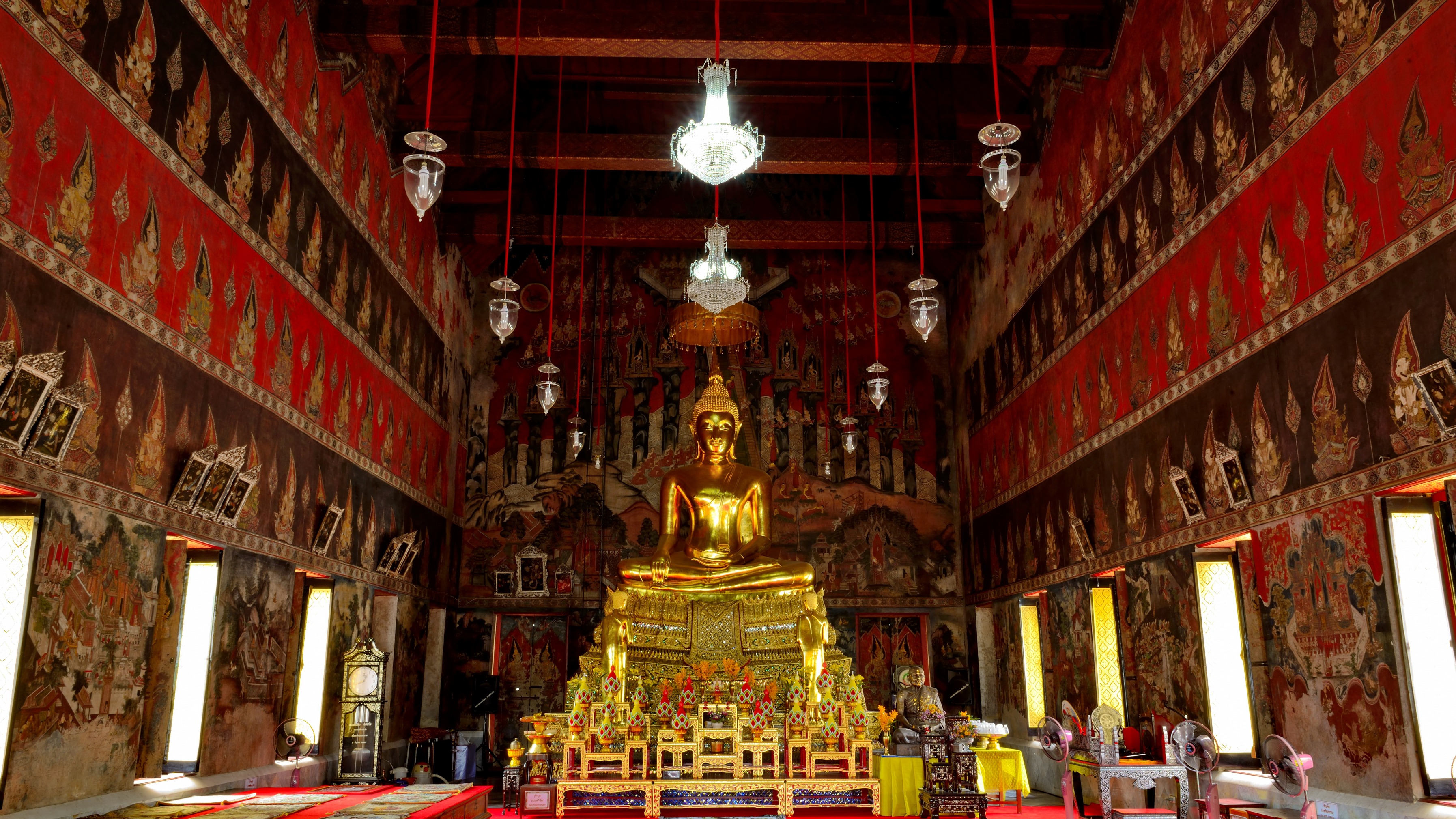
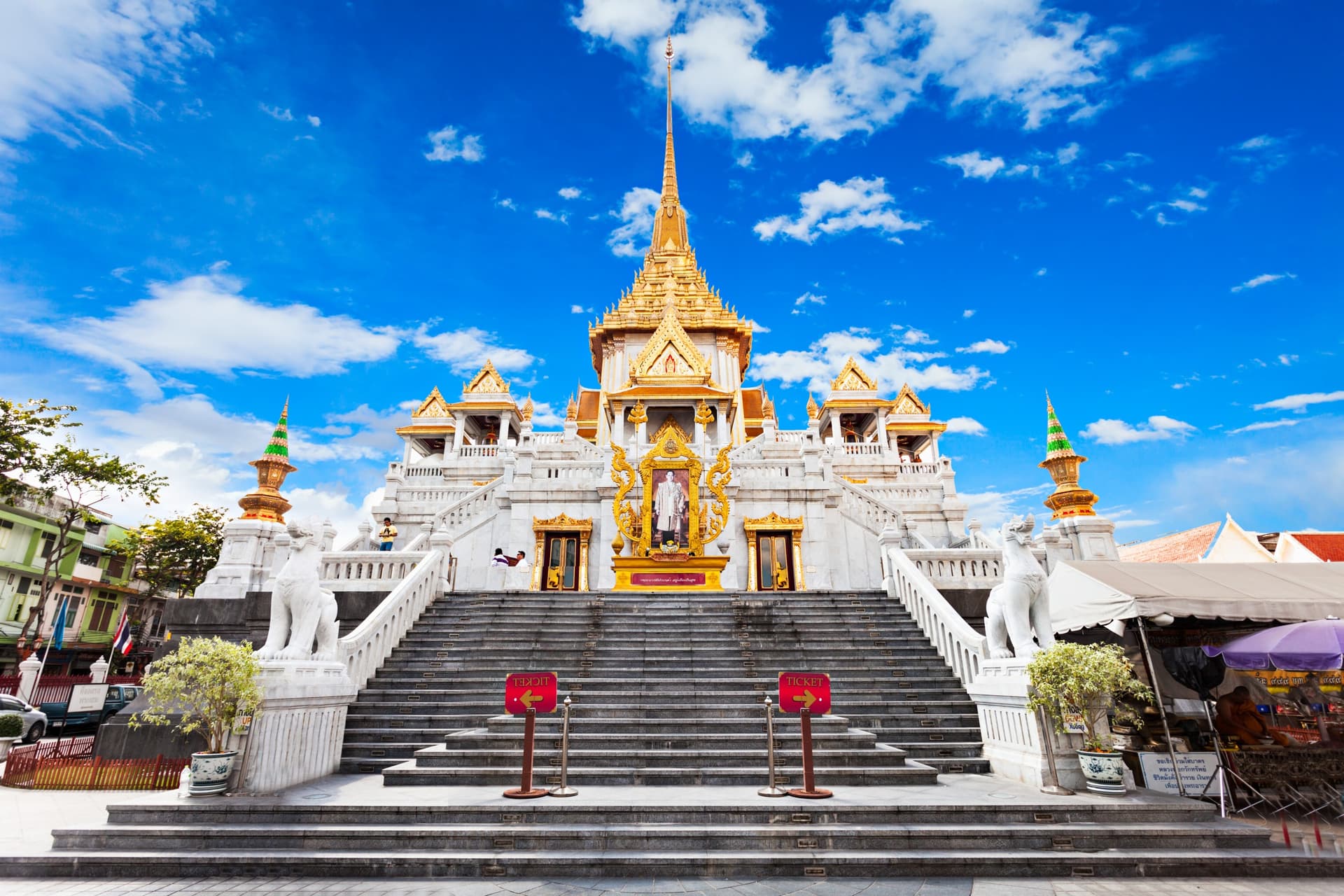
In Bangkok, im ersten Stock des Wat Traimit, dokumentiert das Yaowarat Chinatown Heritage Museum die Ansiedlung der chinesischen Gemeinde in der thailändischen Hauptstadt. Eine kompakte, dichte und gut dokumentierte Ausstellung, gelegen im Bezirk Samphanthawong, am Rande von Chinatown.
Warum dieses Museum besuchen
Das Yaowarat Chinatown Heritage Museum — von den Einheimischen auch "Wat Traimit Museum" oder "Museum des Goldenen Buddha-Tempels" genannt — ist einer der wenigen Orte in Bangkok, der der Geschichte einer ethnischen Minderheit gewidmet ist. Es dokumentiert drei Jahrhunderte chinesischer Präsenz im Königreich Siam: die Migrationswellen der Teochew und Hokkien, die Lebensbedingungen der ersten Ankömmlingen, die Entstehung des Viertels Sampheng und sein kommerzieller Aufstieg im 19. Jahrhundert.
Der Raum ist klein, aber die multimediale Inszenierung (Videos, Rekonstruktionen, historische Fotografien) macht den Besuch zugänglich, auch ohne Vorkenntnisse zum Thema. Es ist eine nützliche Ergänzung zu einem Spaziergang durch Bangkoks Chinatown, dessen Ursprünge es beleuchtet.
Geschichte: Von den Teochew unter König Taksin zur Geburt von Chinatown
Die Ankunft der Teochew unter König Taksin
Um 1770 gründet König Taksin die Hauptstadt Thonburi am Westufer des Chao Phraya. Aufgrund familiärer Ursprünge mit der Teochew-Ethnie des südlichen Chinas ruft er diese Gemeinschaft auf, den Hof mit Reis und Lebensmitteln zu versorgen. Im Gegenzug erhalten die Teochew das Recht, sich am Ostufer des Flusses anzusiedeln, direkt gegenüber des königlichen Palastes.
Die Gründung von Sampheng 1782
Die Situation ändert sich durch einen Staatsstreich, der Taksin stürzt. Rama I. besteigt den Thron und wählt genau den Ort, den die Teochew besiedeln, um seinen neuen Palast zu bauen. Die chinesischen Kaufleute werden nach Südosten in ein damals sumpfiges Gebiet verlegt. Zu diesem territorialen Schachzug kommt eine politische Logik hinzu: Rama I. unterhält enge Bindungen zum rivalisierenden Hokkien-Stamm, der mit den Teochew konkurriert. Das chinesische Viertel Sampheng (heute Yaowarat) entsteht so 1782.
Der kommerzielle Aufschwung ab 1850
Das, was ursprünglich ein Verdrängungsviertel war, wird ab den 1850er Jahren ein wichtiges Handelszentrum. Der Hafen von Chinatown konzentriert den Austausch mit dem Reich der Mitte: Geschäfte, Herbergen, Restaurants und Lagerhäuser säumen die Uferpromenaden. Im 20. Jahrhundert ist die Integration der chinesischen Gemeinde in die thailändische Gesellschaft großenteils erreicht, obwohl Yaowarat heute seine sichtbare Identität durch sein Handwerk, seine Architektur und seine Küche bewahrt.
Was Sie vor Ort sehen werden
Der Rundgang ist in sechs thematische Bereiche organisiert, die in der vorgesehenen Reihenfolge durchlaufen werden sollen:
- Ein Blick auf die Vergangenheit: Der Besuch beginnt mit der Rekonstruktion eines Salons im chinesischen Stil, in dem ein Großvater seinem Enkel das Leben in Chinatown in den 1940er Jahren erzählt. Eine intime Inszenierung, die den Ton angibt.
- Der Anfang der Geschichte 1782-1851: Bau des Großen Palastes, erzwungene Umsiedlung der Chinesen nach Sampheng, Evokation von Migranten mit Brandmalen am Handgelenk und in Fronarbeit, durch Hunger im südlichen China verursachte Einwanderungswellen der Teochew und Hokkien.
- Das Leben in alten Zeiten: Gegenstände des täglichen Lebens und Rekonstruktion einer chinesischen Dschunke.
- Im Auge des Sturms: Projektion über die Seereise der Migranten, die bewältigten Stürme und die Lebensbedingungen an Bord.
- Die Geschichte von 1851 bis heute: Markante Ereignisse unter den Herrschern Rama IV. bis Rama IX. in Verbindung mit der sino-thailändischen Gemeinde.
- Nostalgia: Sammlung historischer Fotografien von Chinatown, wohl der evokativste Abschnitt des Rundgangs.
Rechnen Sie mit etwa 1 bis 1,5 Stunden für einen aufmerksamen Besuch, länger wenn Sie sich die Videoprojektion ganz ansehen möchten.
Praktische Informationen
Das Museum ist dienstags bis sonntags, etwa von 9 bis 17 Uhr geöffnet (montags geschlossen). Die Öffnungszeiten können sich ändern, es ist daher ratsam, dies vorher zu überprüfen. Der Eintrittspreis für ausländische Besucher bleibt moderat (einige zehn Baht). Für thailändische Einwohner gelten Vorzugstarife.
Das Museum befindet sich im ersten Stock des Gebäudes, das den Wat Traimit beherbergt; der Zugang erfolgt von innen durch den Tempel. Planen Sie Kleidung ein, die Schultern und Knie bedeckt, wie bei einem Tempelbesuch.
Wie Sie hingelangen
Der einfachste Weg ist die MRT-U-Bahn bis zur Station Hua Lamphong, etwa 5 Gehminuten vom Wat Traimit entfernt. Der historische Bahnhof Hua Lamphong liegt in unmittelbarer Nähe. Mit Taxi oder Tuk-Tuk können Sie direkt zum Tempel gebracht werden, ein gut bekannter Orientierungspunkt für Fahrer.
Zu sehen in der Umgebung
Das Museum eignet sich für einen halben Tag in Kombination mit anderen Stätten des Viertels:
- der Wat Traimit, der den berühmten goldenen Buddha mit über 5 Tonnen Gewicht beherbergt, direkt unter dem Museum;
- der Tempel der Zahnreliquie des Buddha (Wat Mangkon Kamalawat), etwa 10 Gehminuten nördlich;
- der Tempel Sri Mariamman, ein tamilischer Hindu-Heiligtum, weiter westlich;
- das Thong Chai Medical Institute, ein Beispiel sino-thailändischer Architektur;
- ein Spaziergang durch Yaowarat und seine Marktgassen;
- der kreative Komplex Lhong 1919, am gegenüberliegenden Ufer des Chao Phraya.
Häufig gestellte Fragen
Häufig gestellte Fragen
Rechnen Sie mit 1 bis 1,5 Stunden, um die sechs Ausstellungsbereiche zu durchlaufen, länger wenn Sie die Videoprojektion vollständig ansehen. Es ist ein kurzer Besuch, der sich mit dem Wat Traimit im gleichen Gebäude kombinieren lässt.
Die meisten Tafeln und Projektionen bieten eine englische Übersetzung an. Deutschsprachige Materialien sind selten, aber die visuellen Inhalte und Rekonstruktionen bleiben verständlich, auch ohne tiefe Englischkenntnisse.
Das Museum befindet sich im ersten Stock des Wat Traimit. Der Zugang kann je nach Ausstattung begrenzt sein; es ist ratsam, den Tempel vorher zu kontaktieren, um die Verfügbarkeit eines Aufzugs zu überprüfen.
Der Zugang zum Museum erfolgt über das Tempelgebäude. Die Eintrittskarten sind oft mit dem Zugang zum Goldenen Buddha kombiniert, was einen Besuch beider Stätten in einer einzigen Tour ermöglicht.
Das Museum kann das ganze Jahr über besucht werden, da es sich in einem Innenraum mit Klimaanlage befindet. Um Chinatown danach zu erkunden, sollten Sie die Trockenzeit von November bis Februar bevorzugen, die angenehmer ist als die Regenzeit von Juni bis Oktober.
Vorbereitung der Fortsetzung Ihrer Reise
Das Yaowarat Chinatown Heritage Museum öffnet eine wertvolle Tür zur gemischten Geschichte Bangkoks. Um das Erlebnis zu verlängern, erkunden Sie unsere maßgeschneiderten Routen: eine Reise nach Thailand mit unseren lokalen Beratern organisieren.
In der Nähe
Auch entdecken
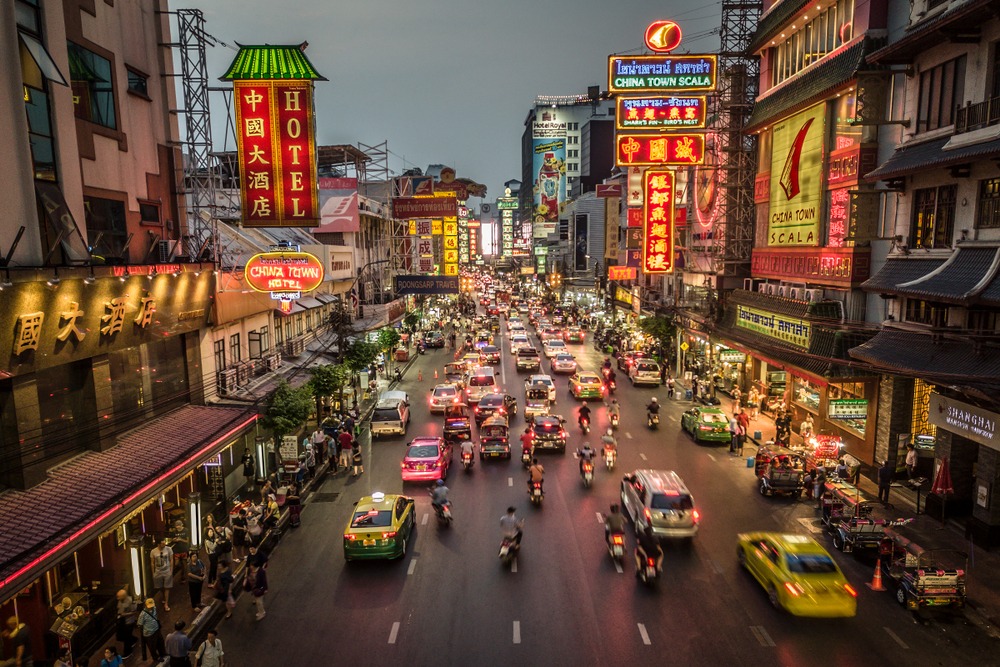
Chinesisches Viertel von Bangkok
Yaowarat, sino-thailändische Tempel, Kulturmuseum und Street Food: Praktischer Leitfaden für das chinesische Viertel von Bangkok, das 1782 von Teochew- und Hokkien-Gemeinden gegründet wurde.
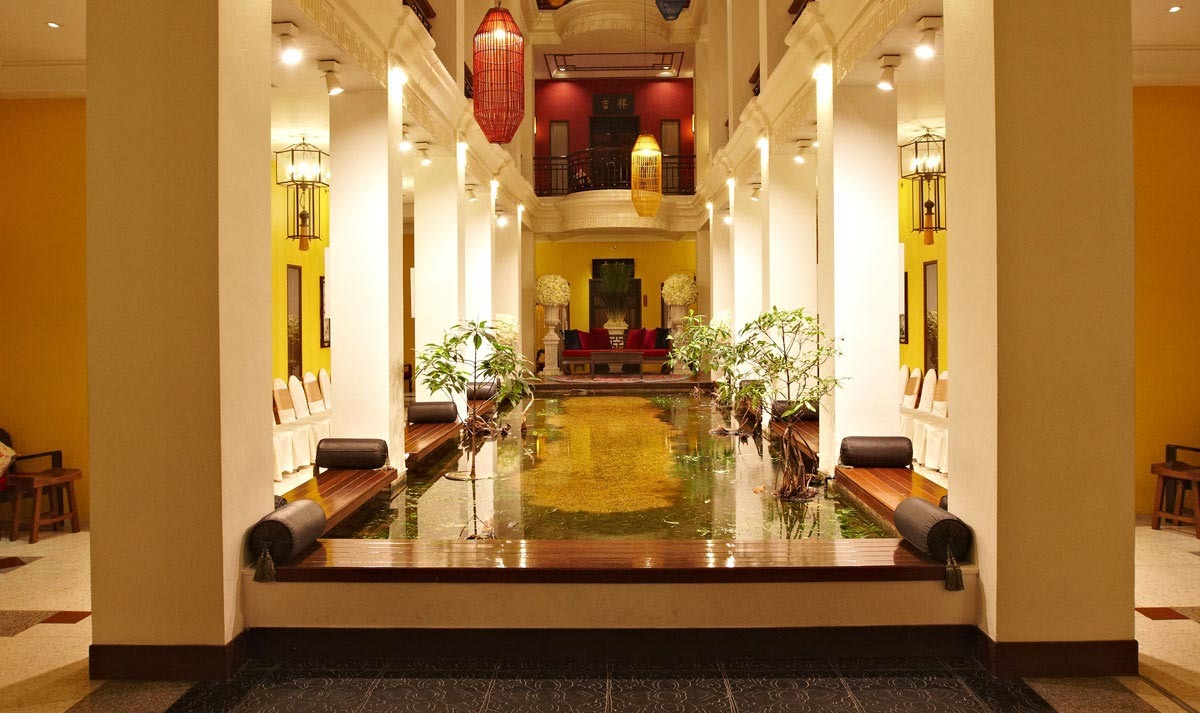
Shanghai Mansion
4-Sterne-Hotel im Shanghai-Vintage-Stil an der Yaowarat Road, mitten im Chinatown von Bangkok. 67 Zimmer, sino-thailändisches Restaurant und Jazz-Konzertbar.
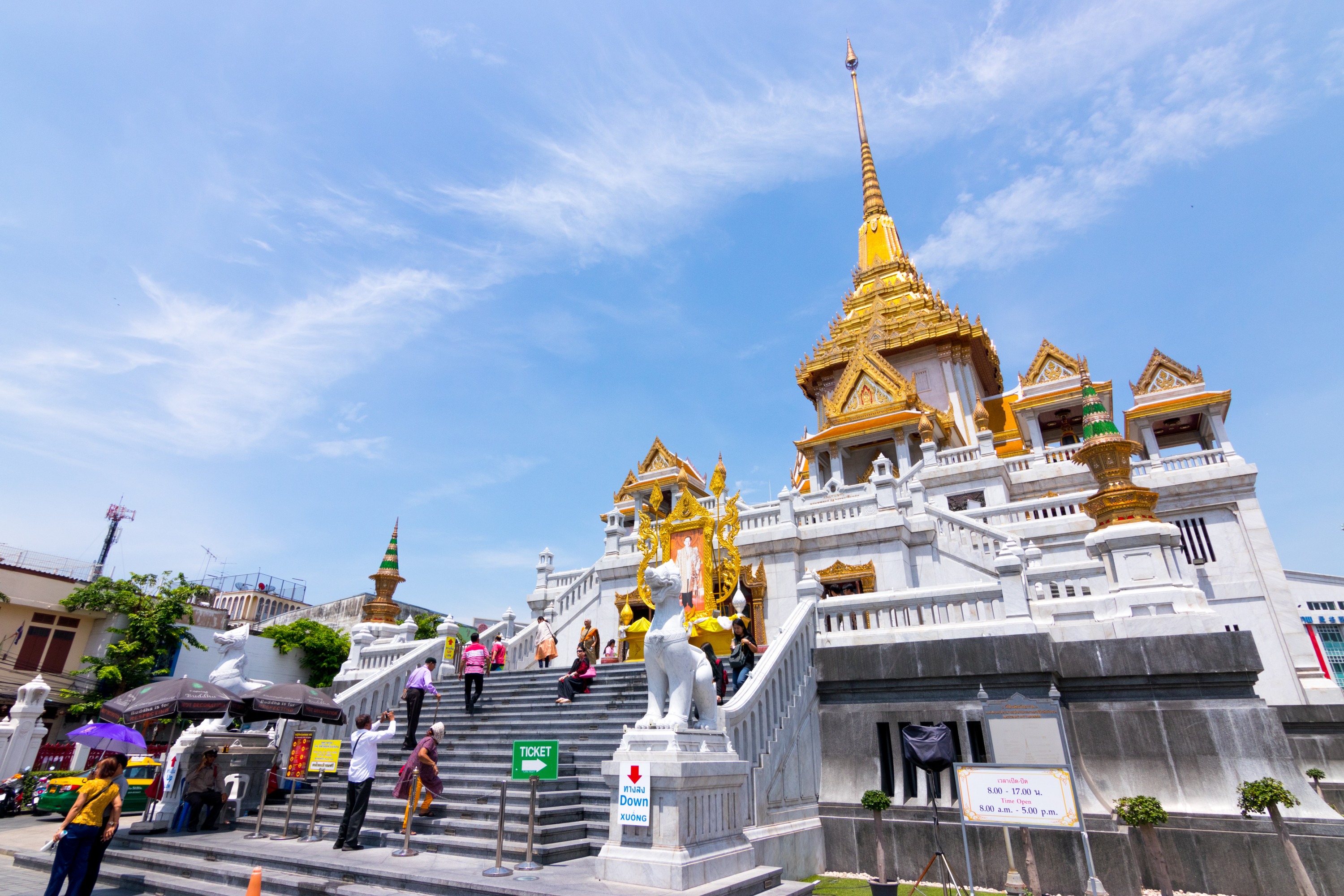
Das Wat Traimit oder der Tempel des Goldenen Buddha
In Bangkok bewahrt das Wat Traimit einen massiven Goldenen Buddha von 3 Metern Höhe und 5,5 Tonnen Gewicht, dessen goldene Identität erst 1955 enthüllt wurde.
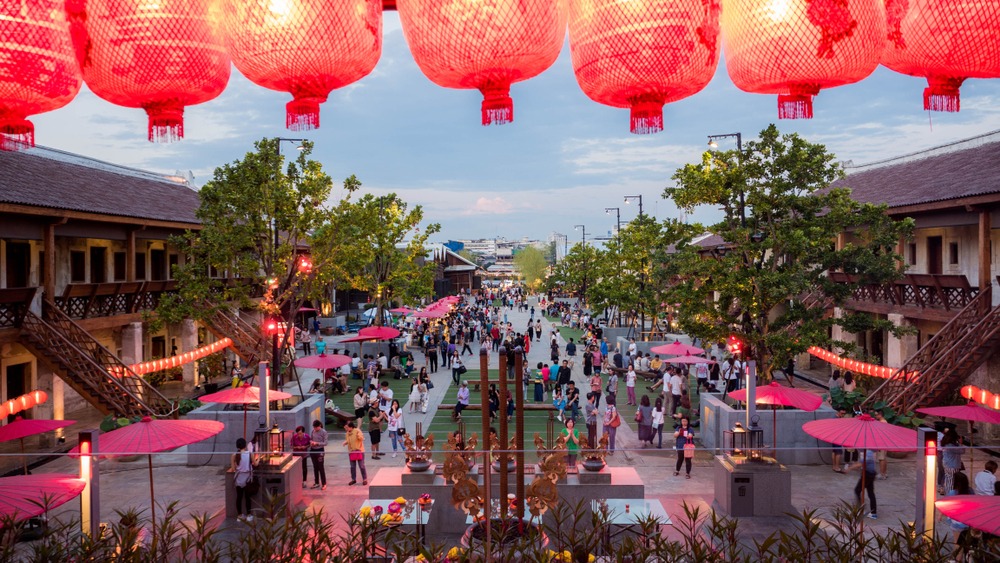
Lhong 1919
Das Lhong 1919, ein historisches Handelskai aus dem Jahr 1850 am Chao Phraya, vereint ein sino-thailändisches Herrenhaus, ein der Göttin Mazu geweihtes Heiligtum und handwerkliche Boutiquen im Stadtteil Khlong San.
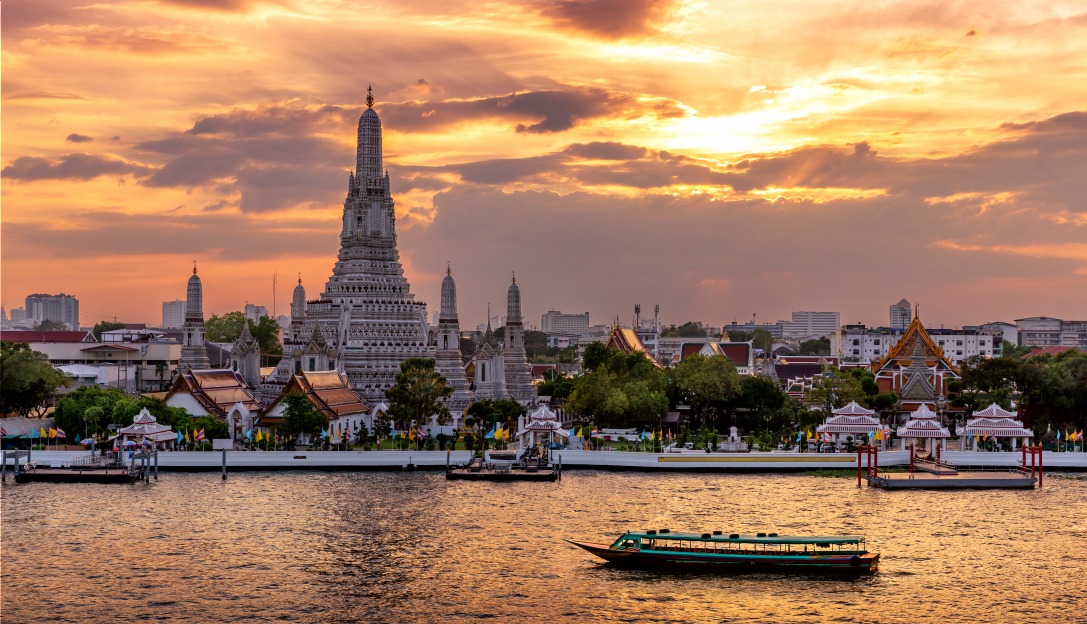
Chao Praya
372 km lang prägt der Chao Phraya Bangkok seit 1782. Tempel, Märkte, Flussbusse: Der Leitfaden zum Verstehen und Nutzen des Flusses.
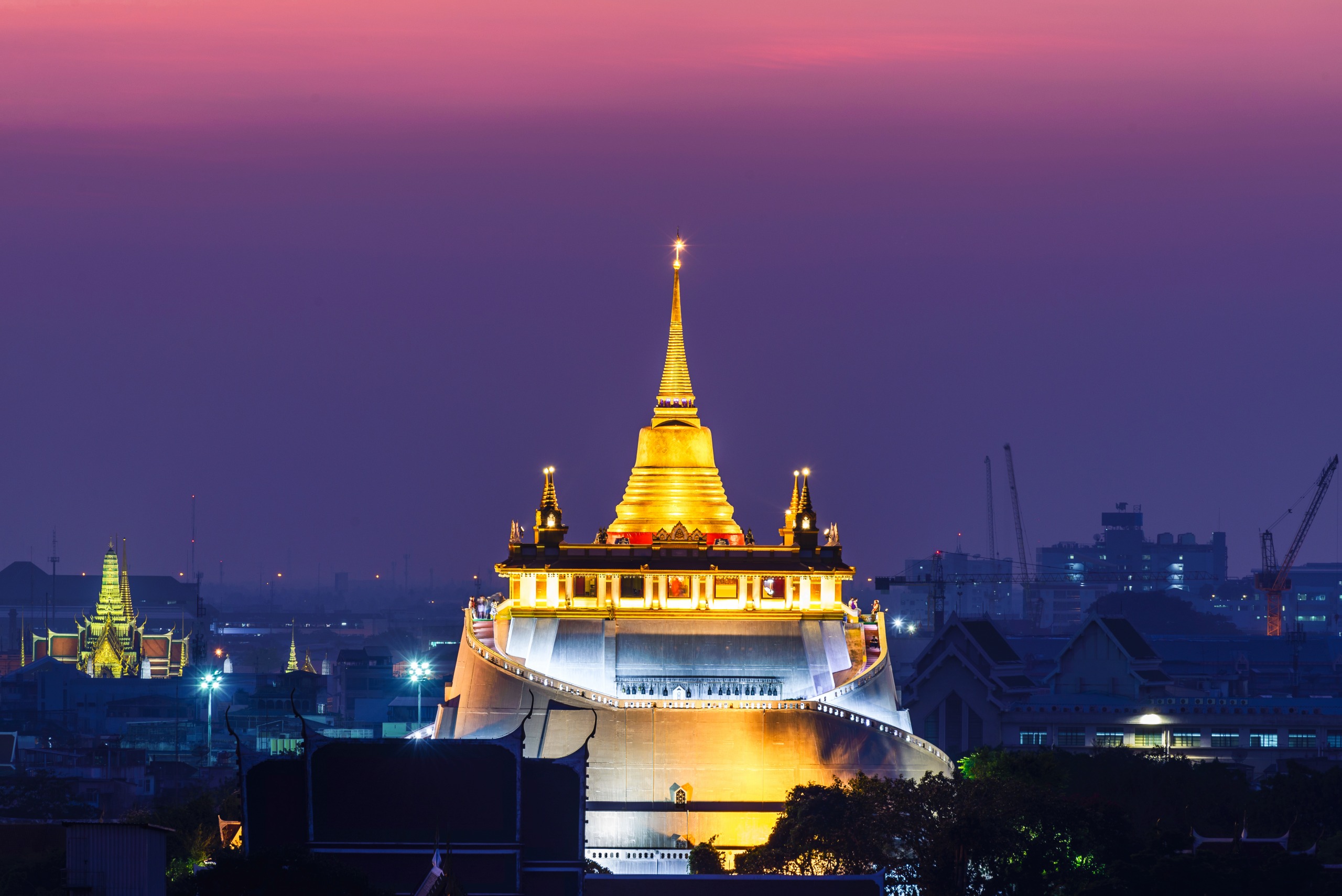
Wat Saket
Der Wat Saket oder Tempel des Goldenen Berges thront über Bangkok von seinem künstlichen Hügel herab. Geschichte, Aufstieg zum goldenen Chedi und Besuchstipps.
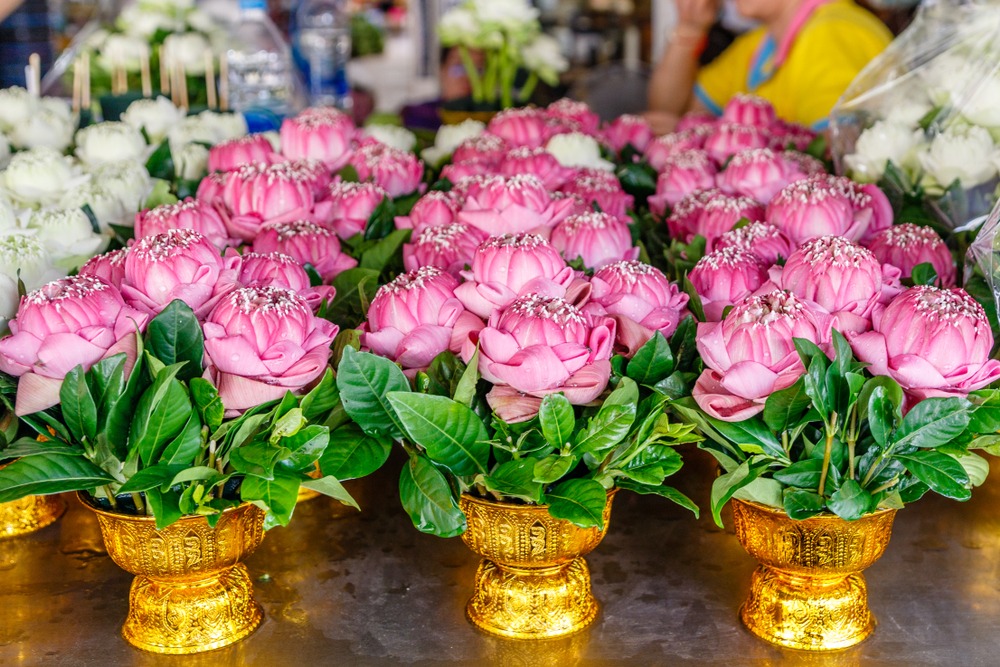
Pak Khlong Talat
Historischer Blumenmarkt in Bangkok, rund um die Uhr geöffnet in der Nähe des Chao Phraya, beliefert Hotels, Restaurants und Tempel der Hauptstadt.
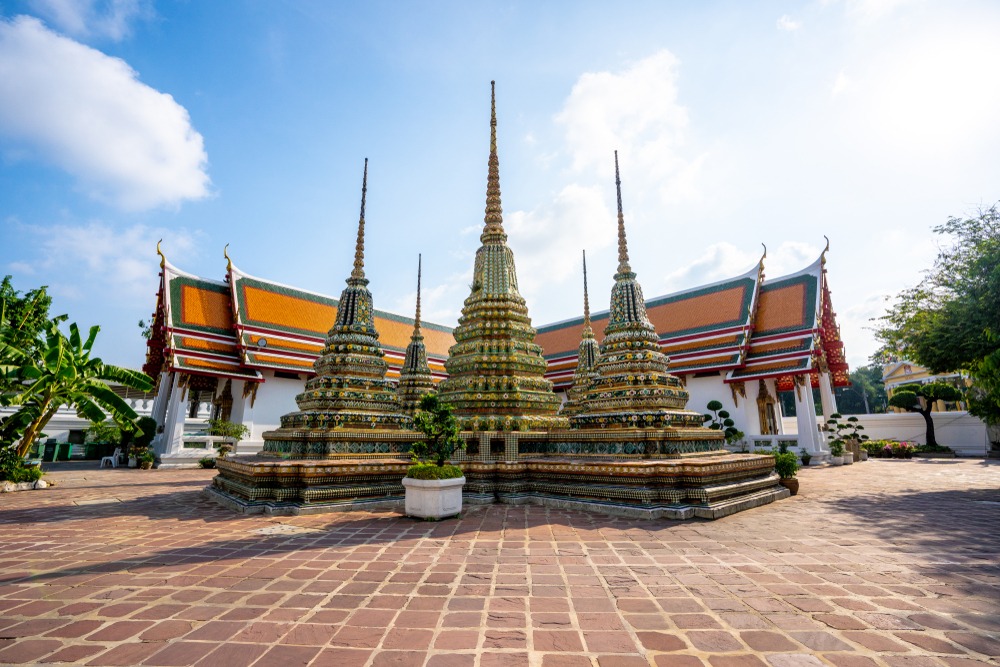
Der Wat Pho
Südlich des Großen Palastes von Bangkok beherbergt der Wat Pho einen 46 Meter langen liegenden Buddha, 400 Statuen und eine von der UNESCO anerkannte traditionelle thai Massageschule.
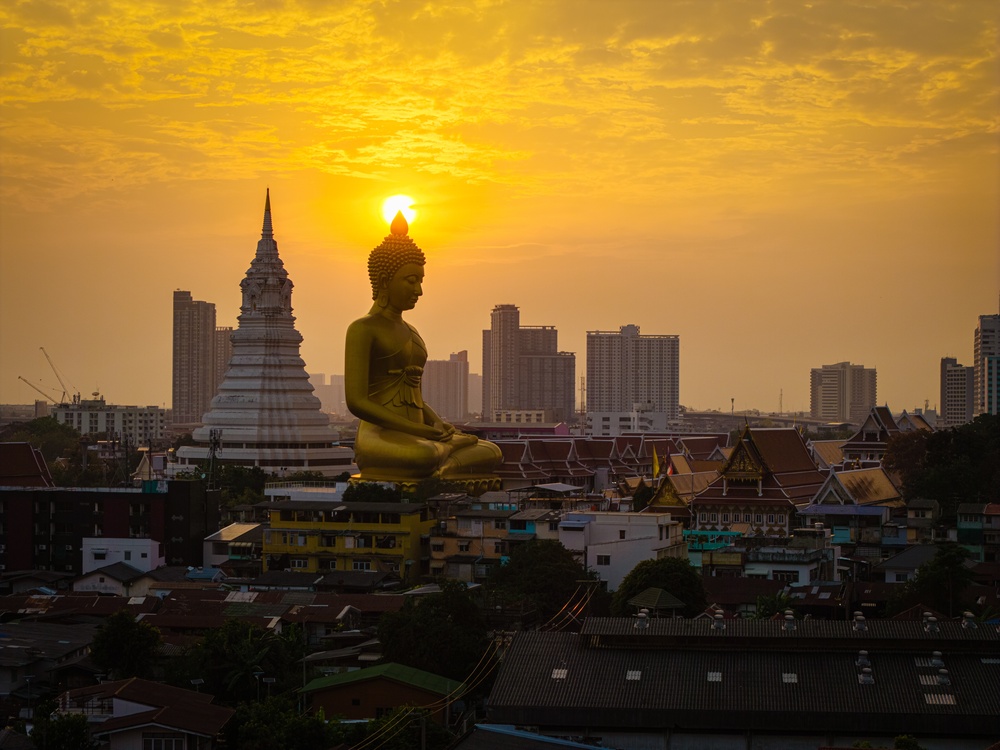
Bangkok
Bangkok, die lebendige und manchmal als chaotisch bezeichnete Hauptstadt Thailands, wird von Reisenden oft kritisiert, die den Trekking im Norden oder die Strände im Süden bevorzugen. Doch Bangkok zu verpassen bedeutet, die unglaubliche kulturelle Vielfalt Th
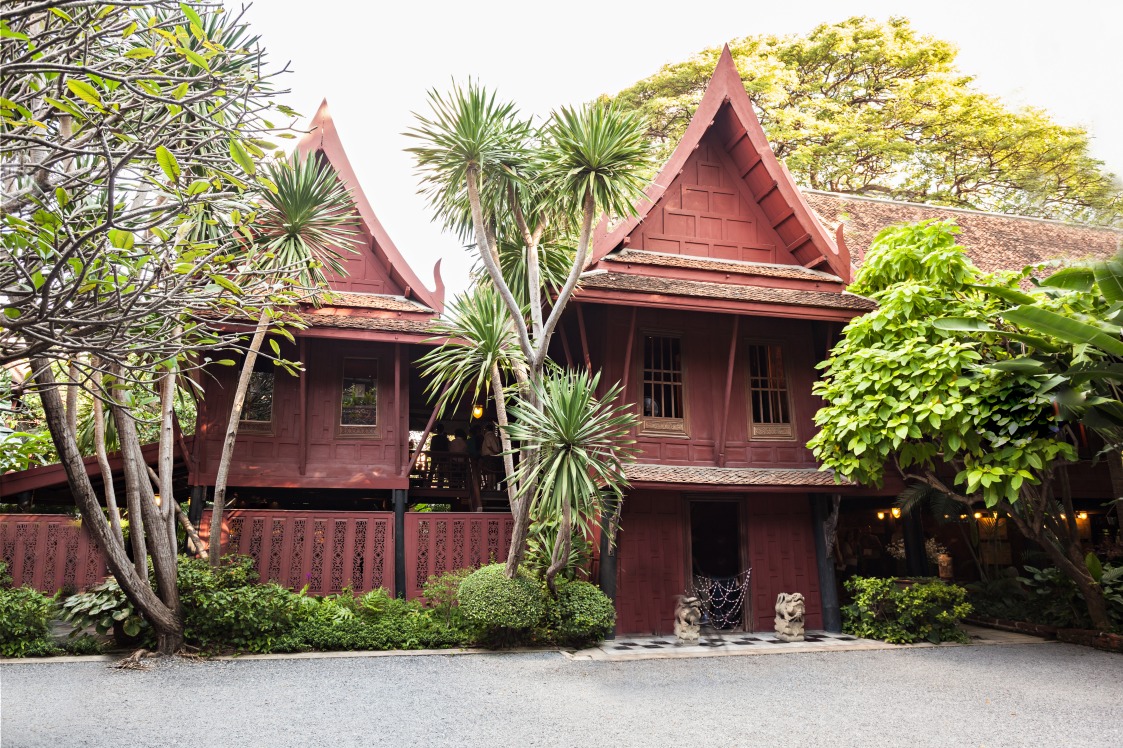
Das Jim-Thompson-Haus
In Bangkok bewahrt das Jim-Thompson-Haus die Residenz aus Teakholz und die asiatische Kunstsammlung des Amerikaners auf, der die thailändische Seidenindustrie Mitte des 20. Jahrhunderts wiederbelebte.
Interesse an diesem Besuch?
Wir können ihn in Ihre persönliche Route aufnehmen.